Just about every person seems to have their own unique way of thinking in relation to DIY Plumbing Projects and When to Call a Professional.
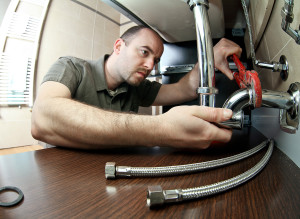
Intro
Plumbing concerns can vary from small aggravations to major frustrations, commonly prompting home owners to decide between dealing with the trouble themselves or calling a professional plumbing. Knowing when to do it yourself and when to look for expert help can conserve time, money, and prevent potential calamities. This post checks out the aspects to take into consideration when making this critical decision.
Benefits of DIY Plumbing
Taking on pipes jobs on your own can be rewarding in a number of methods, specifically for simpler projects.
Complexity of Jobs
Some plumbing concerns call for specialized knowledge and devices beyond typical property owner abilities. Mishandling complicated troubles can lead to further damages and expensive fixings.
Security Concerns
Dealing with plumbing systems entails risks such as exposure to water damages, possibility for electric hazards, and handling devices improperly. Safety and security preventative measures need to be observed to avoid crashes and make certain efficient fixings.
Indicators to Call a Professional Plumbing Technician
Identifying when a pipes issue surpasses do it yourself capabilities is crucial to avoid getting worse problems.
Indications of Complicated Problems
Instances include:
Trigger professional treatment is essential to resolve these problems successfully and reduce damage.
DIY Pipes Tips
For effective do it yourself plumbing, it's vital to be prepared with the right tools and follow appropriate procedures.
Fundamental Tools and Materials
Trick tools for DIY pipes:
Step-by-Step Guides
Clear directions make certain risk-free and reliable DIY repairs:
Choosing the Right Time to Do It Yourself
Identifying when to deal with pipes tasks on your own calls for assessing both the complexity of the issue and personal convenience levels.
Evaluation List
Take into consideration:
Cost Cost savings
Do it yourself plumbing jobs commonly conserve cash by avoiding professional service charge. Jobs like dealing with small leakages, replacing taps, or setting up new showerheads are instances where homeowners can manage repairs without hiring a plumbing professional.
Skill Improvement
Engaging in DIY plumbing uses a possibility to learn and enhance functional abilities. Standard jobs encourage property owners to comprehend their plumbing systems better and gain self-confidence in handling little fixings individually.
Dangers of DIY Pipes
While do it yourself jobs use benefits, particular dangers ought to be meticulously taken into consideration prior to attempting repairs.
When to Definitely Call a Specialist
Specific circumstances require instant experienced interest to prevent considerable damages or security risks.
Emergency Scenarios
Instances consist of:
Finding and Hiring a Professional Plumbing
Selecting a qualified plumbing makes sure dependable solution and comfort in fixing plumbing problems.
Requirements for Choice
Aspects to think about:
Price Evaluation: do it yourself vs. Expert Services
Comparing the financial implications of DIY efforts versus specialist pipes services helps in making informed decisions.
Financial Considerations
Evaluate:
Final thought
Deciding whether to do it yourself or call a professional plumbing professional rests on recognizing the complexity of plumbing concerns and individual capacities. By evaluating the benefits and threats, homeowners can make enlightened options that advertise efficient upkeep and protect their homes from plumbing calamities.
DIY Plumbing Projects: What Homeowners Can Do and When to Call a Professional
Welcome to our comprehensive guide on DIY plumbing projects. In this blog post, we aim to empower homeowners with the knowledge and skills to tackle basic plumbing tasks around the house. From unclogging drains to fixing a leaky faucet, we’ll walk you through step-by-step instructions on how to handle these common issues.
However, not all plumbing problems can or should be solved with a DIY approach. Recognizing when a problem is beyond your skill level and requires professional intervention is just as important as knowing how to perform basic tasks. We’ll also discuss the signs that indicate it’s time to put down your tools and pick up the phone to call a professional plumber. By understanding when to DIY and when to call a professional, you can save time, avoid potential disasters, and ensure your home’s plumbing system remains in top shape.
Understanding Plumbing Basics
Before we dive into the DIY projects, let’s take a moment to understand the basics of your home’s plumbing system. A typical residential plumbing system consists of two major components: the water supply system, which brings fresh water into your home, and the drainage system, which removes waste water. These systems are made up of a network of pipes, valves, and fixtures that work together to deliver clean water and dispose of waste efficiently.
Regular maintenance of your plumbing system is crucial to prevent minor issues from escalating into major problems. This includes tasks like checking for leaks, removing minor clogs, and ensuring your pipes are insulated for winter. By performing these tasks regularly, you can extend the lifespan of your plumbing system, save money on water bills, and maintain the comfort and hygiene of your home.
In the following sections, we’ll explore some common DIY plumbing projects that homeowners can handle, as well as situations that require the expertise of a professional plumber. Whether you’re a seasoned DIY enthusiast or a beginner, this guide will provide you with valuable insights into the world of home plumbing.
DIY Plumbing Projects Homeowners Can Handle
Plumbing may seem intimidating, but there are several tasks that homeowners can confidently tackle with a little guidance and the right tools. Here are a few common issues you might encounter and how to address them.
Unclogging Drains
Use a Plunger: This is your first line of defense. A good old-fashioned plunger can dislodge the obstruction and clear the drain in many cases. Try a Plumber’s Snake or Hand Auger: If the plunger doesn’t work, a plumber’s snake or hand auger can reach deeper into the pipe to break up the clog. Use a Drain Cleaner: If physical methods fail, a chemical drain cleaner can dissolve the clog. However, use these products sparingly as they can damage your pipes if overused.
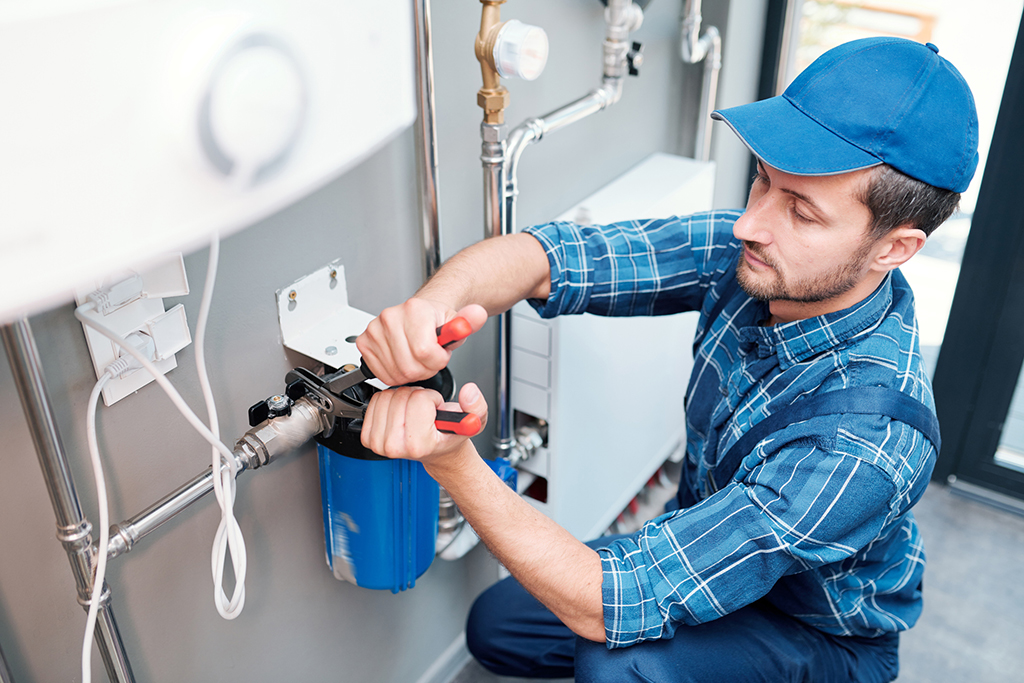
Hopefully you enjoyed reading our topic about When to call a professional plumber vs. DIY. Thanks a ton for taking a few minutes to read through our post. Do you know another person who is fascinated by the topic? Be sure share it. I value your readership.
Get Started