Listed here on the next paragraphs you will discover more good information and facts involving Why You Should Consider a Tankless Water Heater.
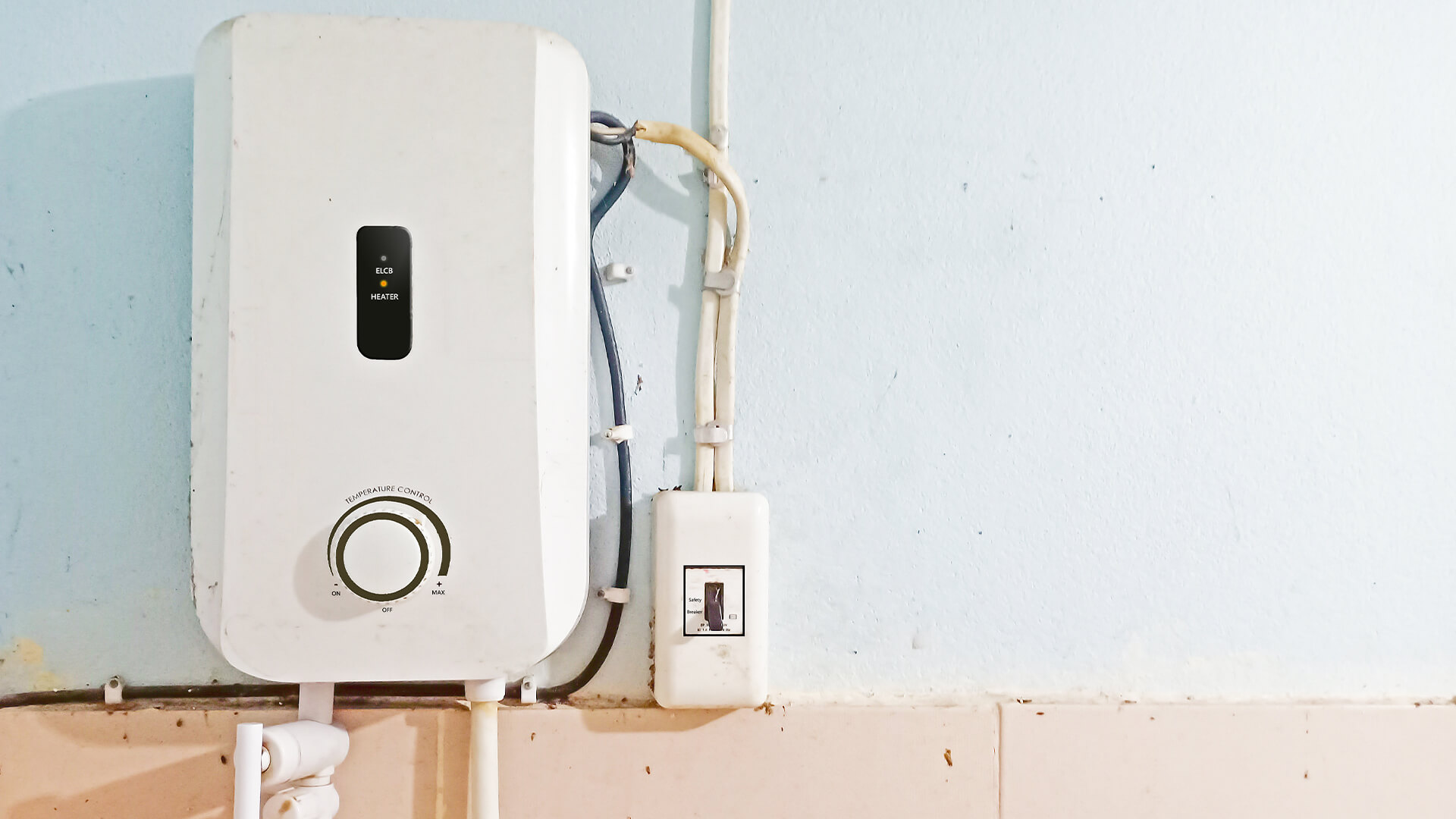
In a world where comfort and effectiveness preponderate, it's no surprise that property owners are continuously on the lookout for smarter methods to handle their home's energy consumption and convenience. One advancement that has actually gradually obtained appeal is the tankless hot water heater. But exactly what makes these systems stand apart from the traditional tank-based versions the majority of us grew up with? Allow's dive in and explore the benefits of tankless hot water heater, aiding you decide if it's time to make the switch in your house.
Introduction
Picture this: you step into the shower after a long day, expecting a relaxing waterfall of hot water, only to be greeted by icy beads because the last person utilized it all up. Audio acquainted? Traditional hot water heater keep a fixed quantity of warm water, meaning you're at the grace of that container's supply. Tankless systems, on the other hand, warmth water as needed. Say goodbye to running out mid-shower, no more wrestling with routines just to make sure hot water is available.
Understanding Tankless Hot Water Heater
What Are Tankless Hot Water Heater?
Tankless hot water heater, sometimes known as on-demand or instant water heaters, provide warm water just as it's required. As opposed to storing gallons of pre-heated water, these devices kick right into action the minute you turn on the tap. Water travels through a warmth exchanger, warming up in real-time, suggesting you get a continuous flow of warm water without the need for a big container resting idly by.
How Do They Differ from Traditional Systems?
Conventional heaters hold a tank of hot water, making use of energy to keep that tank at a regular temperature level. Tankless devices get rid of the standing supply, cutting down on thrown away energy and the large footprint of a big cylinder. Essentially, you're updating from a "stockpile" attitude to a "made-to-order" technique.
Typical Kinds Of Tankless Systems
Tankless hot water heater usually come in 2 varieties: gas and electric. Gas versions have a tendency to deliver higher flow prices, suitable for bigger houses, while electrical versions frequently serve smaller homes and are commonly less complicated to set up. In addition, some systems are created for point-of-use (serving one component) while others can take care of the entire home's hot water needs.
Key Benefits of Tankless Hot Water Heater
1. Unlimited Hot Water Supply
Ever before had to set up showers so everybody obtains their fair share of hot water? With tankless, that comes to be a distant memory. As long as the heating system's circulation capability isn't exceeded, you can take back-to-back showers without becoming a popsicle.
2. Power Efficiency and Cost Cost Savings
No more warming a giant tank's well worth of water and keeping it cozy throughout the day. Tankless heating units decrease standby power losses, which can lower energy expenses. While the first cost might be higher, the lasting financial savings typically validate the financial investment.
3. Space-Saving Style
If your home is short on storage, eliminating the large tank liberates useful space. Tankless systems are compact and can typically be installed on wall surfaces, stashed in corners, or installed in limited energy storage rooms without grabbing all of the whole space.
4. Longer Lifespan
A well-kept tankless hot water heater can outlive its tank-based cousin. Traditional containers might last 10-15 years, while tankless designs can keep downing along for 20 years or more, making them a strong investment in time.
5. Improved Water Quality
Keeping water in a tank can often result in debris accumulation or a somewhat "off" taste. With tankless systems, fresh water is heated on the spot, lowering the chances of sediment build-up and possibly providing cleaner-tasting water.
Factors to consider Before Switching
Though the advantages are compelling, it's a good idea to consider a couple of variables prior to fully devoting.
Preliminary Financial Investment Expenses
Tankless heating systems typically feature a greater in advance price tag. In between the unit itself and potential installment adjustments, the initial expense might provide you sticker shock. But remember to see it as a long-term financial investment.
Installation Requirements
Depending on your home's facilities, you could require added electric ability or gas line upgrades. Guarantee you comprehend the installation requirements and speak with an expert to prevent surprises.
Evaluating Your Home's Water Use Patterns
If your home simultaneously uses multiple components with high hot water need, ensure the device's flow rate fulfills your demands. Recognizing your use patterns helps you select the right size and kind of tankless heater.
Upkeep and Care Tips
Tankless systems are reasonably reduced upkeep, but they aren't set-it-and-forget-it home appliances.
Routine Cleaning and Descaling
Difficult water minerals can build up in the warmth exchanger, influencing effectiveness. Regular descaling (usually suggested each year) keeps the system running at peak performance.
Yearly Expert Assessments
A yearly checkup from an expert ensures small issues are captured early. They'll evaluate the system's efficiency, look for leaks, and help preserve optimum efficiency.
Guaranteeing Correct Air Flow
For gas models, proper air flow is essential to safely remove exhaust gases. Make certain airing vent systems are tidy and properly set up to avoid any prospective security hazards.
Comparing Different Brands and Versions
Not all tankless hot water heater are created equivalent.
Investigating Trusted Makers
Look for reputable brand names with a history of producing top quality devices. A trusted producer usually supplies far better customer support and longer guarantees.
Reading Reviews and Individual Feedback
Individual testimonials and responses from neighbors or pals that have actually gone tankless can offer important understandings. Often, real-life experiences can be a lot more informing than advertising pamphlets.
Installment: Do It Yourself or Expert?
While some homeowners relish tackling projects themselves, tankless installment could not be the very best time to break out the toolbox.
Pros and Cons of DIY Installation
A do it yourself set up could conserve money, but it comes with dangers. Inaccurate setup can result in inadequacy or security problems. If you're handy and have experience, it might be possible-- yet proceed with care.
When to Call an Expert Plumbing Professional
For many, calling a pro guarantees every little thing's done properly. A specialist plumbing technician recognizes neighborhood codes, sizing requirements, and venting parameters, decreasing the danger of mishaps.
Making best use of Efficiency
You have actually bought a tankless device-- currently maximize its efficiency.
Ideal Temperature Setups
Lots of people set their devices between 120-140 F. Adjusting the temperature level can improve convenience and cost savings. Experiment to discover a sweet area that doesn't throw away energy.
Pairing with Low-Flow Fixtures
Intend to stretch your system's capacities? Think about installing low-flow showerheads and faucets. They lower water usage, enabling your tankless system to supply a stable stream of warm water without stressing.
Ecological Impact
Tankless water heaters line up with greener living goals.
Minimized Carbon Impact
By using less energy and only heating water as required, tankless systems can lower your home's carbon impact, minimizing your ecological effect.
Saving Natural Resources
Less power usage and much less wasted hot water equate into fewer natural resources being utilized, an environmental win-win.
Who Benefits Most from Tankless Heating units?
The charm of tankless heaters is that they can match a range of homes.
Big Families vs. Solitary Residents
Huge households could enjoy the unlimited warm water supply, while single passengers appreciate the power cost savings from not warming an entire container for simply one person's early morning shower.
House Owners with Limited Room
If your home is short on square video, losing the bulky storage tank frees up area for various other essentials-- or maybe just a lot more elbow room.
Eco-Conscious Customers
Going tankless aligns with environmentally friendly values, ensuring you're not losing energy or resources.
Future Trends in Tankless Water Heaters
The world of home devices is ever-evolving, and tankless hot water heater are no exemption.
Smart Home Assimilation
Imagine adjusting your water heater's temperature level via an application or getting maintenance alerts on your phone. As clever home tech developments, we'll see more connection and benefit.
Innovations in Modern technology
R&D is regularly boosting heat exchangers, making systems a lot more reliable and sturdy. Future models could be even quieter, extra compact, and far better fit for differing environments.
Verdict
Picking a tankless hot water heater is greater than just upgrading your home's hot water system; it's purchasing lasting convenience, energy efficiency, and a greener way of life. By considering your home's water use, bearing in mind installment requirements, and committing to regular upkeep, you can appreciate a steady stream of warm water without the baggage of a large tank. As innovation evolves, you can eagerly anticipate even smarter, a lot more efficient tankless options that not only make your life simpler yet also profit the world.
Why You Should Consider a Tankless Water Heater for Your Home
Energy Efficiency and Cost Savings
Tankless water heaters, also known as on-demand water heaters, heat water only when needed. This means they don't waste energy keeping a tank of water hot constantly. This efficiency translates into substantial cost savings on your monthly energy bills.
Endless Hot Water Supply
One of the significant advantages of tankless water heaters is their ability to provide a continuous supply of hot water. Traditional tank water heaters have a limited capacity and can run out of hot water, especially during peak usage times. In contrast, tankless water heaters can provide an endless stream of hot water, making them ideal for larger families or homes with high water usage.
Space-Saving Design
Tankless water heaters are compact and take up significantly less space compared to traditional tank heaters. They can be installed on walls, under cabinets, or even outside, freeing up valuable space in your home. This makes tankless water heaters a great option for smaller homes or properties with limited space for a traditional water heater.
Longer Lifespan and Lower Maintenance
Tankless water heaters typically have a longer lifespan compared to traditional tank heaters. They can last up to 20 years or more with proper maintenance. Additionally, tankless systems are designed with replaceable parts, which can extend their lifespan further and reduce long-term maintenance costs.
Environmentally Friendly
Reducing energy consumption not only saves you money but also benefits the environment. Tankless water heaters contribute to a smaller carbon footprint by using less energy to heat water. Their energy efficiency and ability to minimize standby heat loss make them an eco-friendly choice for environmentally conscious homeowners.
Customized Temperature Control
Tankless water heaters offer precise temperature control, allowing you to set the desired temperature to meet your specific needs. This level of customization ensures you always have water at the perfect temperature for your comfort and usage requirements.
https://beantownservices.com/blog/consider-tankless-water-heater-for-your-home
I was introduced to that editorial on through a good friend on another site. If you enjoyed our page please make sure you remember to pass it around. We appreciate reading our article about Pros and Cons of Tankless Water Heater.
Click Here